Menu

Menu
Menu
Menu
International Hunts
The Dunham name has long been connected with world-class hunting in Canada and Africa, but our reach does not end there. Through select partnerships and carefully chosen concessions, we also offer hunters access to exclusive international destinations across Europe, Asia, Oceania, and the Americas.
From stalking desert bighorn sheep in the mountains of Mexico, to climbing the Pyrenees in Spain for ibex, to glassing the Southern Alps of New Zealand for tahr and roaring red stags, these hunts are built for those who want to expand their horizons and pursue trophies in some of the most iconic places on earth with the Dunhams hosting you through the entire adventure.
Every destination is carefully evaluated for quality of game, sustainability of herds, and professionalism of outfitters. We work only with proven teams who share our values of ethical hunting, disciplined management, and premium client experience. The result is the same consistency hunters expect at Dunhams High Caliber Ranch—delivered worldwide.
This International Hunts program is designed to give you access to species that cannot be hunted in Canada or Africa. Whether your goal is a Marco Polo sheep in Tajikistan, a roaring red stag in Argentina, or a muskox on Greenland’s tundra, these trips are tailored to serious hunters who want the best in trophy quality and experience.
Every destination is carefully evaluated for quality of game, sustainability of herds, and professionalism of outfitters. We work only with proven teams who share our values of ethical hunting, disciplined management, and premium client experience. The result is the same consistency hunters expect at Dunhams High Caliber Ranch—delivered worldwide.
This International Hunts program is designed to give you access to species that cannot be hunted in Canada or Africa. Whether your goal is a Marco Polo sheep in Tajikistan, a roaring red stag in Argentina, or a muskox on Greenland’s tundra, these trips are tailored to serious hunters who want the best in trophy quality and experience.
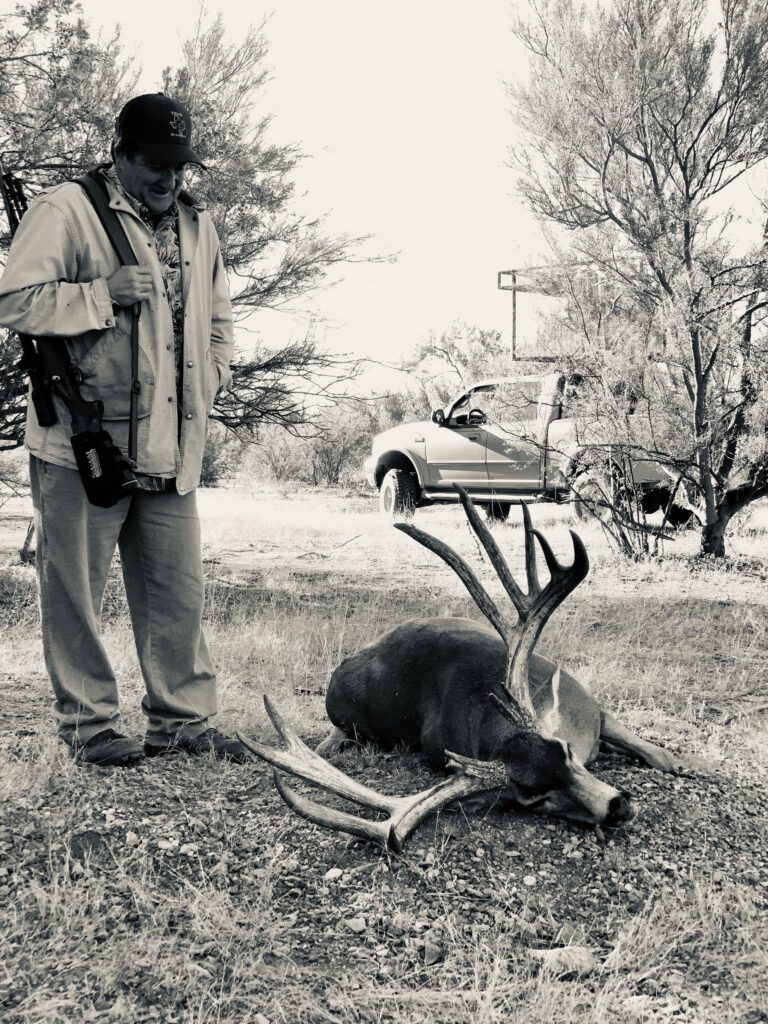
Mexico — Desert Bighorn Sheep, Coues Deer, and Desert Mule Deer
Our partnership in Mexico is with one of the Best outfitters in the world, Abraham. Rob and Abraham have been hunting together for 20 years, Abraham is known worldwide for his management of desert mule deer and bighorn sheep. The lodging is the best in all of Mexico papered with world class trophies and excellent guides. Every time Abraham is involved everything is pristine, Dunhams consider themselves lucky to have the opportunity to be able to partner with Abraham.
Desert Bighorn Sheep
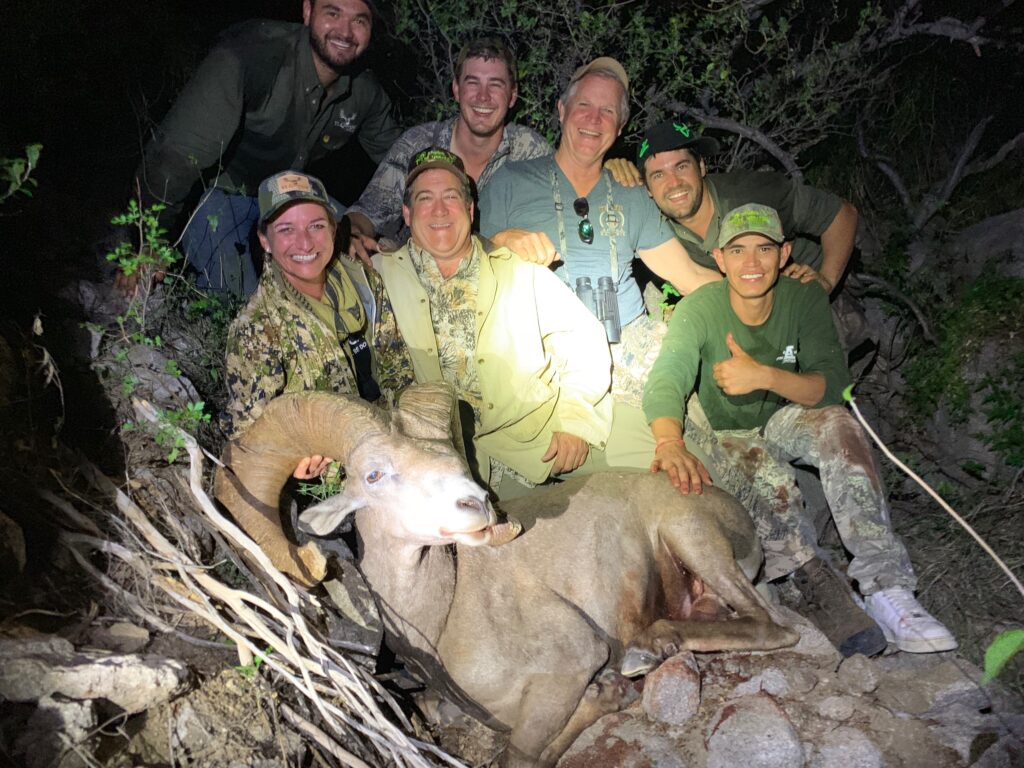
Desert sheep are known for their mass and length a 40’ Ram is not unusual in Mexico. It is the last of the sheep species in the southern most point of the sierra madres mountain range. Abraham has a large quota of exportable rams each year because of his management program.
Coues Deer

Coues Deer are known as the desert whitetail Abraham has consistently produced monster coues deer far above the average trophy buck. He is the best coues deer outfitter in the lower states and Mexico.
Desert Mule Deer

Desert Mule deer are known for their width and mass. They are the most sought after of all mule deer in North America. Abraham as management program has produced most 200 inch mule deer than anyone else in the world. With multiple bucks each year hitting the “40’ mark.”
Hunting in Mexico
Clients take regular flight into international airports where they will be greeted by Abraham and or his staff. There is than a two hour drive to the camp, or take a helicopter which is available.
Accessibility is also a factor. Many hunts are within driving distance of the U.S. border or a short commercial flight into Hermosillo or Chihuahua. With warm hospitality, seasoned guides, and species available nowhere else, Mexico remains one of the most compelling destinations for international hunters.
Spain — Ibex, Red Stag, Roe Deer, Chamois & Wild Boar
Spain is one of the most popular international destinations for hunters seeking both variety and tradition. The country combines centuries of hunting heritage with modern wildlife management, producing hunts that are both culturally rich and trophy-driven. With rugged mountains, rolling plains, and Mediterranean forests, Spain offers a wide range of habitats for some of Europe’s most iconic species.
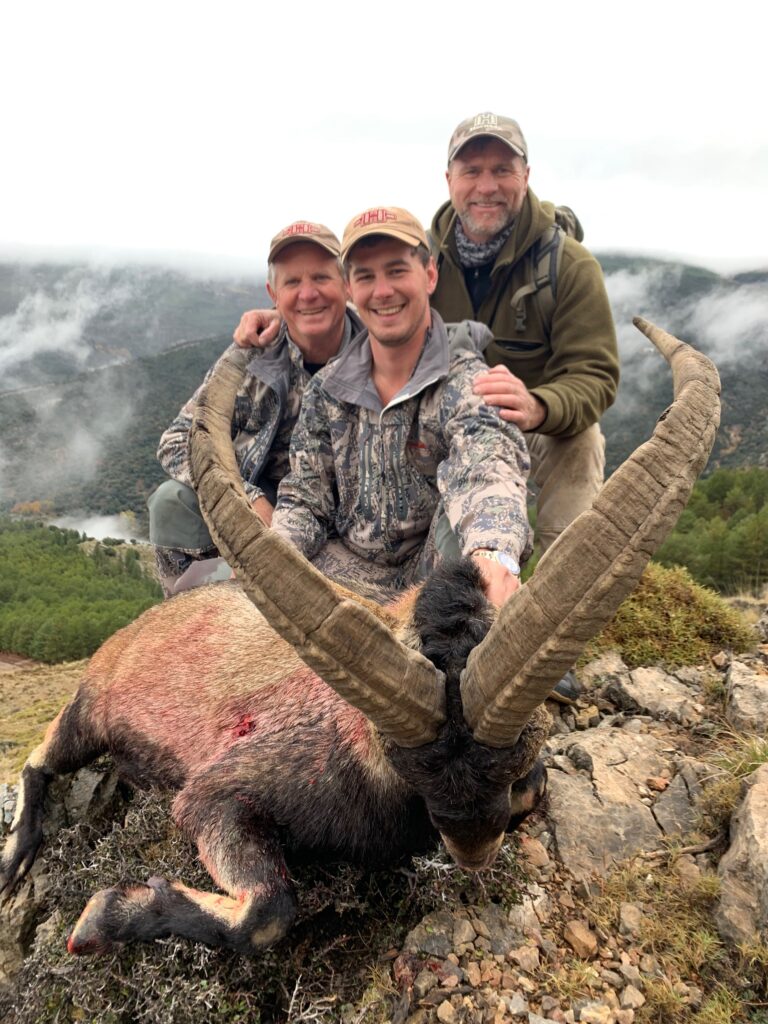
Spanish Ibex
Spain is best known for its four subspecies of Spanish ibex: Beceite, Gredos, Ronda, and Southeastern. Each inhabits a different region of the country, and many hunters aim to collect all four as part of the “Spanish Ibex Grand Slam.”
- Beceite ibex are found in the eastern mountains, known for long, lyre-shaped horns.
- Gredos ibex, the largest of the four, live in the Gredos Mountains near Madrid.
- Ronda ibex are the smallest, found in southern Spain’s rugged hills.
- Southeastern ibex live in the rocky mountains near Granada.
Ibex hunts usually involve spot-and-stalk across rugged, rocky terrain with glassing from long distances. The rut occurs in November and December, but hunts are possible from late autumn into spring, depending on the subspecies.
Red Stag
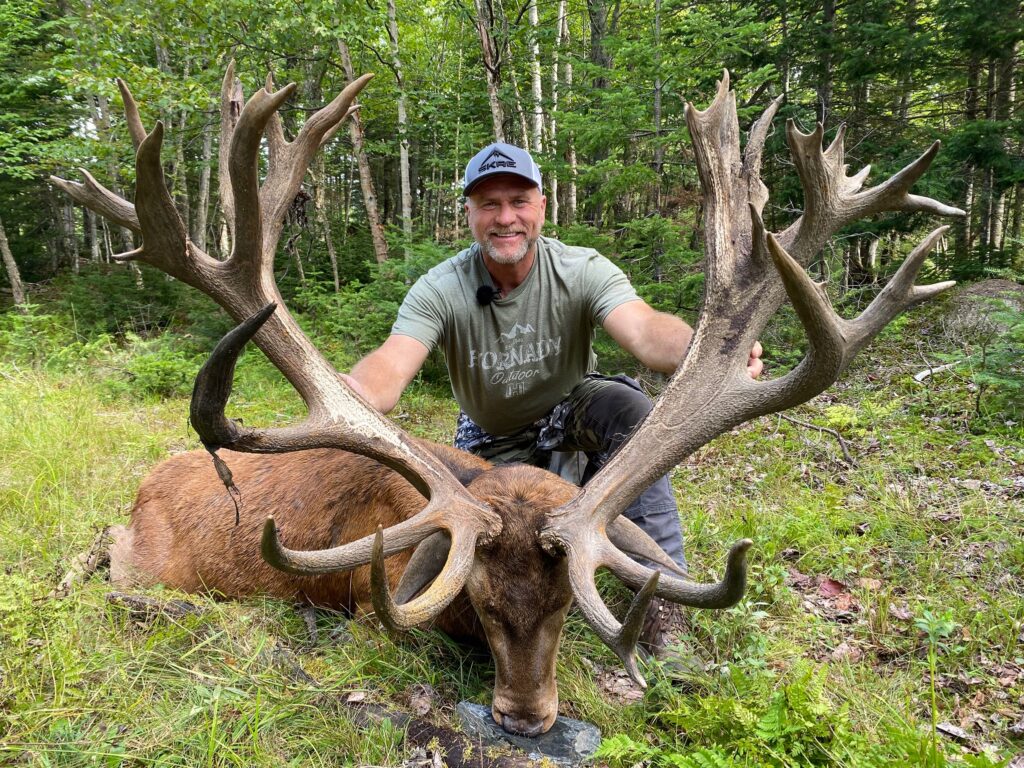
Spain also offers excellent red stag hunting, a European equivalent to elk. Spanish stags are typically pursued during the rut, or “berrea,” which occurs in September and October. During this time, stags roar loudly to establish dominance and gather harems of hinds. Hunts can take place in forested hills, agricultural valleys, or open plains, with roaring stags providing one of the most dramatic hunting experiences in Europe.
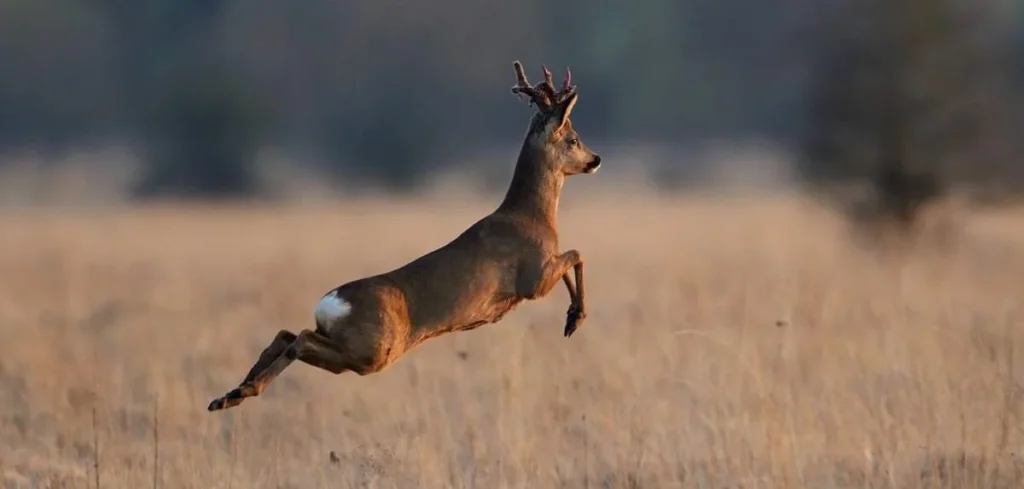
Roe Deer
Another highlight in Spain is the roe deer. These small, graceful deer are widespread throughout the country. The prime hunting period is in spring and summer (April–July), with an additional rut window in late July and early August. Spot-and-stalk is the preferred method, often requiring careful glassing and patient shooting. Roe deer may not be the largest species, but their antlers are delicate and unique, and they’re a sought-after trophy for international hunters.
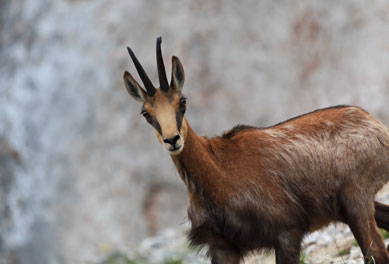
Chamois
In the Pyrenees and Cantabrian Mountains, hunters can pursue chamois, a nimble mountain antelope known for its speed and agility. Chamois are typically hunted at higher elevations, making this a physically demanding adventure. The best hunting occurs in autumn and winter when coats are thick and conditions are stable.
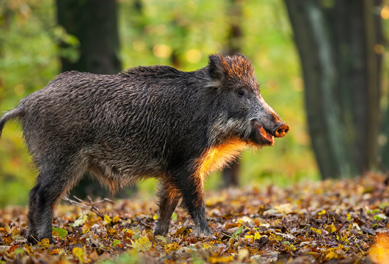
Wild Boar
Perhaps the most traditional hunt in Spain is the driven wild boar hunt, known as a montería. Hunters line up in positions while beaters and dogs push game through valleys and ridges. Boar charge through at high speeds, and quick, accurate shooting is essential. These events are as much about culture and camaraderie as they are about trophies. The best seasons are autumn through winter, when monterías are held across the country.
Why Hunt Spain?
Spain offers diversity few countries can match. Hunters can collect four subspecies of ibex, chase red stag during a roaring rut, stalk roe deer in spring fields, climb mountains for chamois, and join traditional driven boar hunts—all within one country. Add in Spain’s culture, cuisine, and history, and the experience goes far beyond the field.
Accommodations range from traditional hunting lodges to luxury hotels near historic cities. Hunts can easily be paired with sightseeing in Madrid, Barcelona, or Granada, making Spain an ideal destination for hunters traveling with family.
New Zealand — Red Stag, Tahr, and Chamois
New Zealand has become one of the premier hunting destinations in the world thanks to its breathtaking scenery, abundant free-range populations, and a hunting culture that caters to both serious trophy seekers and those who want to combine hunting with travel. Towering mountain ranges, lush valleys, and rolling farmland create habitat for some of the world’s most desirable game species.
Red Stag
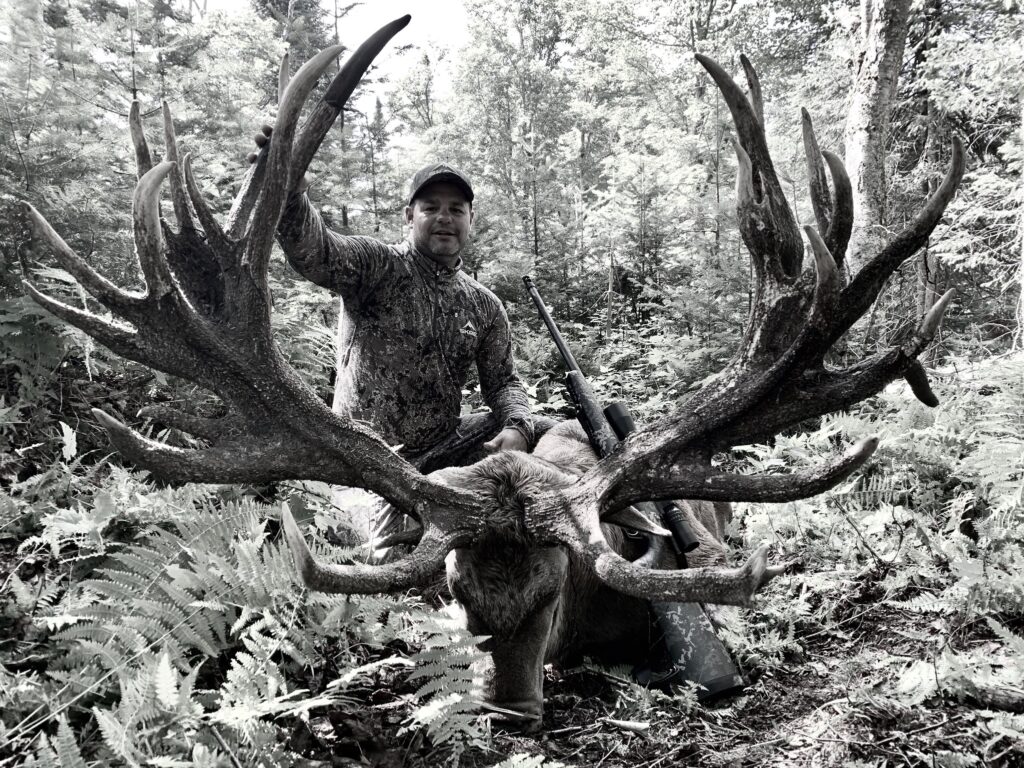
The species most associated with New Zealand is the red stag. Famous for their impressive antler growth, New Zealand red stags can produce massive, multi-pointed racks that are among the most photographed in hunting. The highlight of the year is the rut, known locally as “the roar,” which occurs in March and April. During this time, stags call loudly and aggressively defend their breeding rights. The roar makes them more visible and easier to stalk. Hunts typically involve spotting stags from ridges or valleys and stalking into range.
Himalayan Tahr
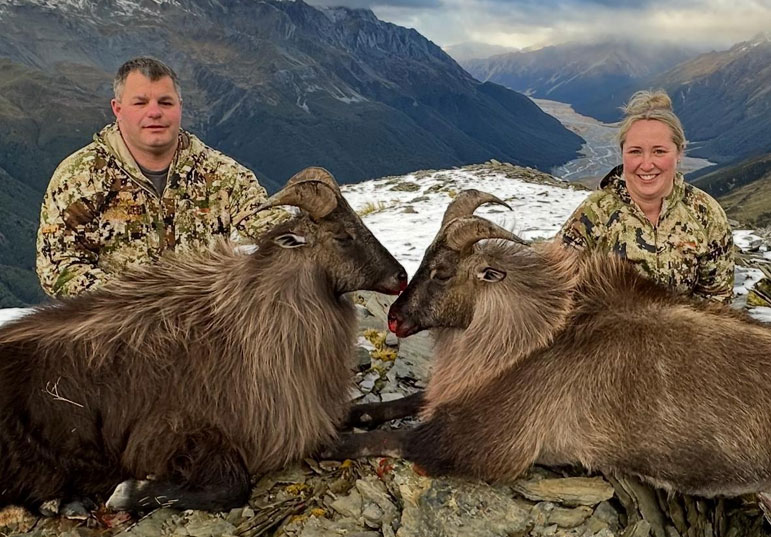
Another iconic New Zealand hunt is the Himalayan tahr, a rugged mountain animal originally imported from Asia that now thrives in the Southern Alps. Tahr hunts are demanding, requiring climbs into steep alpine country. The payoff is a challenging stalk in some of the most dramatic landscapes in the Southern Hemisphere. The best hunting is May through July, when tahr grow thick winter coats that make for outstanding trophies.
Chamois

Sharing the high mountain habitat with tahr is the chamois, a fast and agile mountain antelope. Chamois hunting demands patience, excellent glassing, and physical fitness. The best time is also May through July, when coats are in prime condition. Many hunters choose to combine tahr and chamois on the same expedition, creating a true alpine hunting adventure.
Fallow Deer
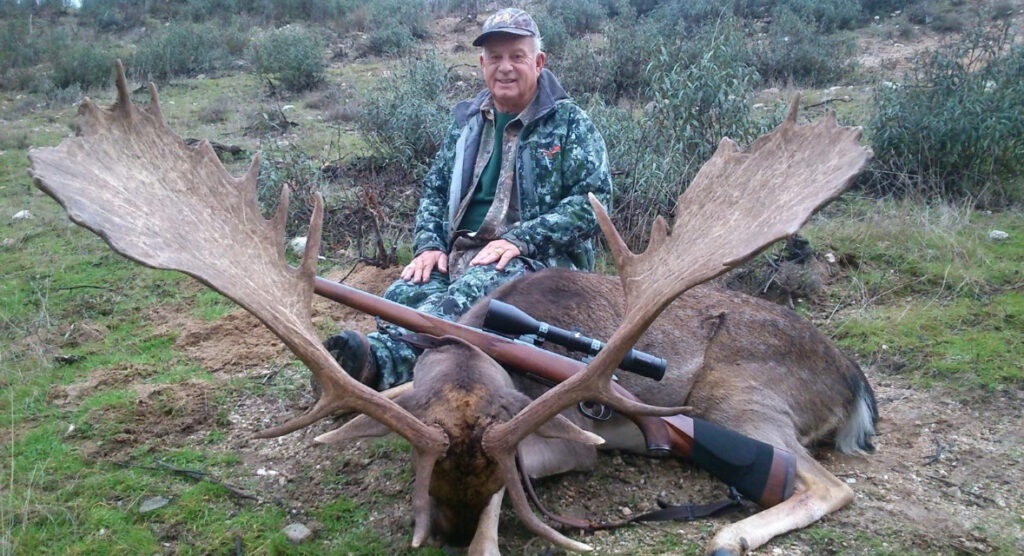
For those who prefer a less physically demanding but equally rewarding hunt, New Zealand also has excellent populations of fallow deer. Known for their palmated antlers and variety of color phases, fallow deer offer both free-range and estate hunting opportunities. The rut takes place in April, often overlapping with the red stag roar, allowing hunters to pursue both in a single trip.
Why Hunt New Zealand?
New Zealand’s combination of species diversity, stunning landscapes, and friendly hunting culture makes it one of the most sought-after international destinations. Hunters can experience high-adrenaline alpine stalks for tahr and chamois, the thunder of roaring red stags in the rut, or more relaxed fallow deer hunts. All of these hunts taking place in some of the most beautiful scenery on earth.
Seasons are opposite those of North America, meaning hunters can travel to New Zealand in spring and summer at home and hunt during peak rut in the Southern Hemisphere. Many hunts can be paired with sightseeing in destinations like Queenstown, Fiordland, or the Southern Alps, making this an ideal location for hunters traveling with companions.
The alpine species are accessible only by helicopter. The experiment of being in the heli adds to the hunt, and makes the hunt more accessible for those who desire it.
Argentina — Red Stag, Water Buffalo, Blackbuck, Axis Deer, Wild Boar & Wing Shooting
Argentina is one of the most diverse and rewarding hunting destinations in the Southern Hemisphere. From roaring red stags in Patagonia to endless wingshooting in Cordoba, the country offers a wide range of opportunities for big game and bird hunters alike. The combination of excellent wildlife management, accessible travel, and warm hospitality makes Argentina a must-visit destination for international hunters.
Why Hunt Argentina?
Argentina offers a combination of trophy hunting and volume shooting in one destination. Hunters can stalk roaring red stags in Patagonia, pursue exotic game like blackbuck and axis deer, test themselves against massive water buffalo, and finish with high-volume dove shooting—all in the same country.
Seasons in Argentina run opposite to North America, meaning hunters can travel south during March and April to hunt red stag in the roar while it’s spring back home. Add in Argentina’s rich culture, cuisine, and welcoming hospitality, and the appeal goes far beyond the hunt.
Red Stag
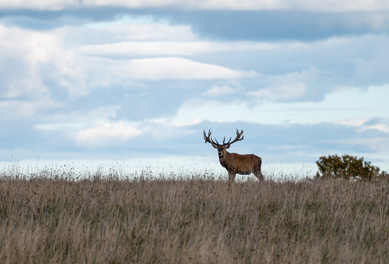
The red stag is the king of Argentine hunting. Introduced from Europe in the early 1900s, red deer have flourished in Patagonia and La Pampa provinces, producing outstanding trophies. The rut, known as the “roar,” occurs in March and April, when stags become highly vocal and aggressive. During this time, hunters hear their deep roars echo across valleys and can stalk closer as the stags defend harems of hinds. Argentine stags often grow large, multi-pointed antlers, making them a highlight for any international hunter.
Water Buffalo
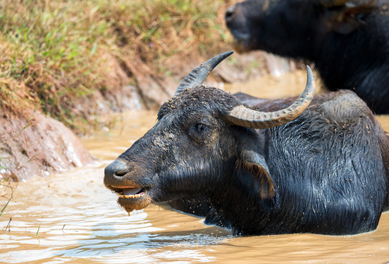
Argentina is also home to large populations of water buffalo, particularly in the marshy regions of Corrientes and Santa Fe. These massive animals provide a dangerous game-style hunt outside Africa, requiring heavy calibers and steady nerves. Bulls with sweeping horns and immense body mass are the goal, often weighing well over 1,500 pounds.
Blackbuck
The blackbuck antelope is another exotic species that thrives in Argentina. Known for their striking coloration and spiral horns, blackbuck are a favorite among international hunters. They are usually hunted by spot-and-stalk in open grasslands, where their keen eyesight and speed provide a real challenge.

Axis Deer
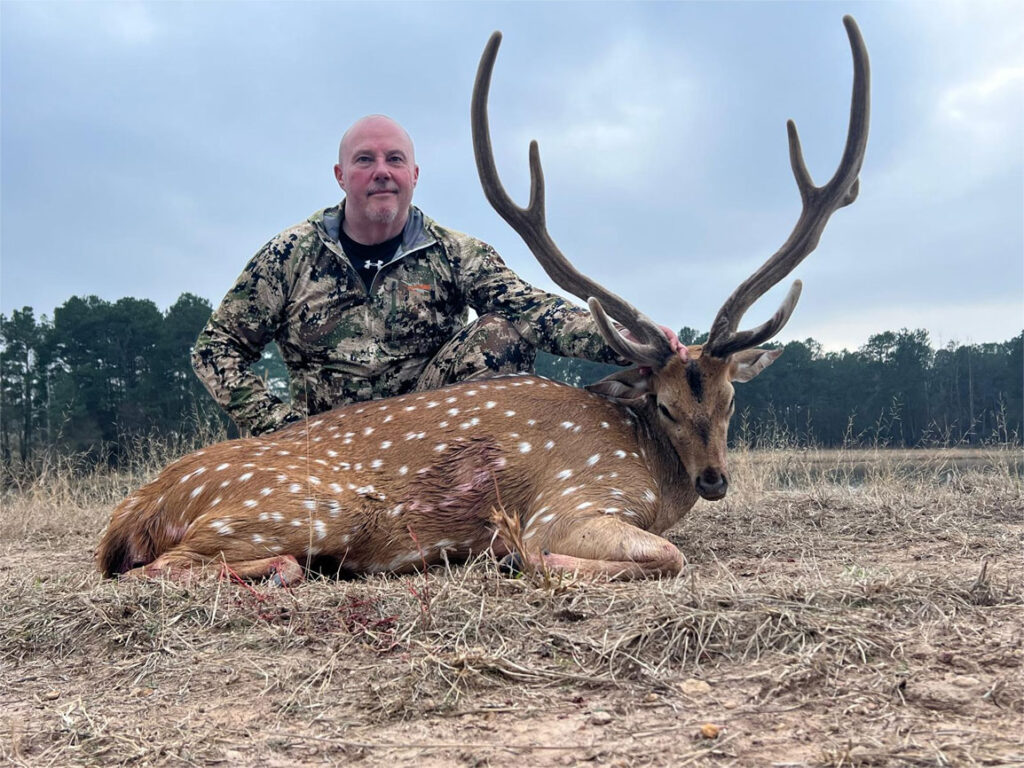
Originally imported from India, axis deer have established healthy populations in several Argentine provinces. With their distinctive spotted coats and elegant antlers, axis are a visually striking addition to any trophy collection. Their rut typically overlaps with red stags in March and April, allowing hunters to pursue both on the same trip.
Wild Boar
Argentina has strong numbers of wild boar, offering year-round hunting opportunities. Boar are pursued on foot, from blinds, or sometimes during driven hunts. Large tusked boars provide a challenging quarry and are often included in combination hunts with deer or buffalo.

Dove & Pigeon Shooting
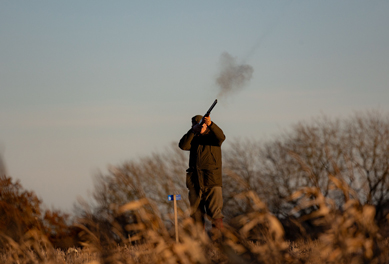
Perhaps the most famous hunting Argentina is known for is its high-volume dove and pigeon shooting. The Cordoba region is legendary for its flocks of millions of doves that can be hunted year-round. Hunters may fire thousands of rounds per day, with non-stop action that is unmatched anywhere else in the world. Pigeon shooting is equally exciting, often involving decoy spreads and fast-paced shooting. Though not big game, Argentina’s wingshooting is one of the most unique and exhilarating experiences in hunting.
Kyrgyzstan & Tajikistan — Marco Polo Argali & Mid-Asian Ibex
For mountain hunters, few destinations carry the same level of prestige as Kyrgyzstan and Tajikistan. These Central Asian countries are home to the legendary Marco Polo argali, as well as strong populations of mid-Asian ibex. The hunts are challenging, the landscapes are vast and remote, and the trophies represent some of the most iconic mountain game animals in the world.
Marco Polo Argali
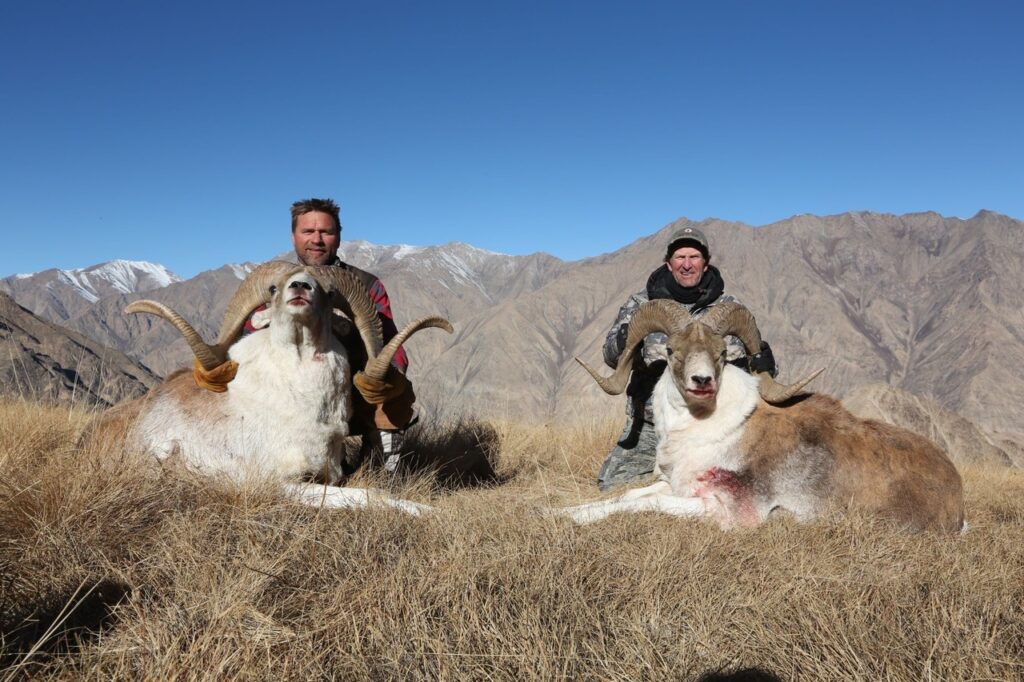
The Marco Polo sheep is considered one of the pinnacle trophies in international mountain hunting. Known for its enormous, spiraling horns that can reach over 50 inches in length, the Marco Polo is named after the explorer who first described it in the 13th century. These sheep inhabit some of the highest ranges in Asia, often found at elevations between 12,000 and 14,500 feet.
Hunting Marco Polo is physically demanding and requires good preparation. Hunters spend long hours glassing across massive landscapes before attempting careful stalks into rifle range. Success often comes only after days of persistence and patient observation. The prime season is September through December, when weather is relatively stable and sheep gather in more accessible areas.
Mid-Asian Ibex
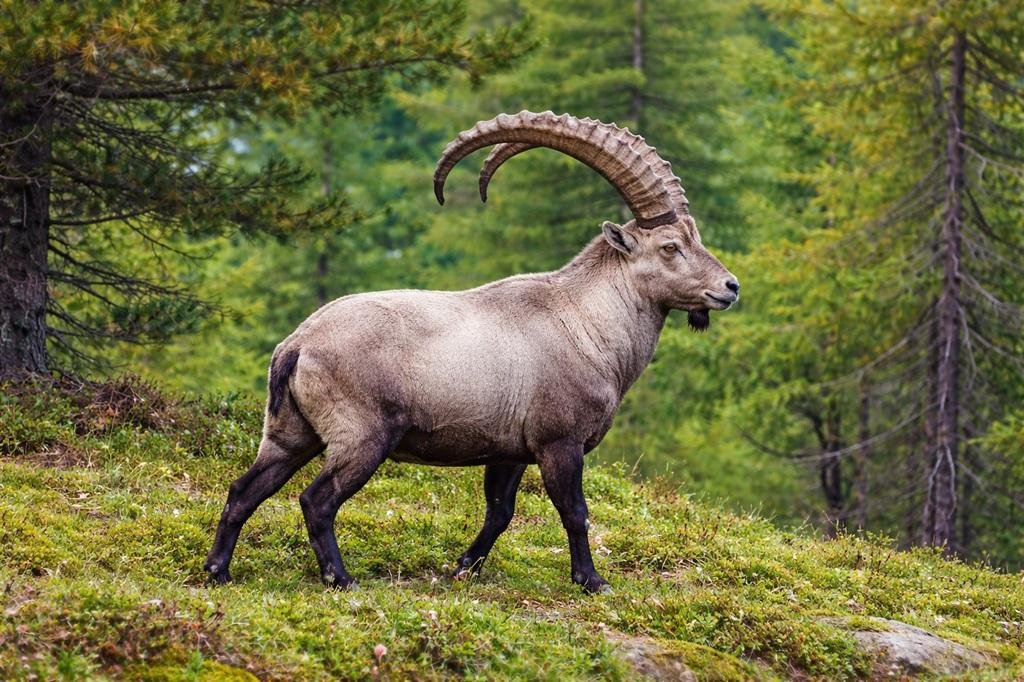
Sharing the same terrain as Marco Polo sheep is the mid-Asian ibex, a magnificent wild goat with sweeping horns that can exceed 45 inches. Ibex are often spotted at lower elevations than Marco Polo, though hunts are equally challenging. Spot-and-stalk is the primary method, with hunters glassing cliffs and ridges for groups of ibex before beginning stalks across steep ground. Like Marco Polo hunts, the best time is September through December, with late-season hunts offering prime coats.
The Hunting Experience
Hunts in Kyrgyzstan and Tajikistan are true expeditions. Camps are often tented or yurt-style, located high in the mountains and supported by local staff. Horses are commonly used for transport across valleys, though much of the hunt is conducted on foot. Hunters can expect to experience long days, harsh conditions, and thin air at high altitudes—but also some of the most breathtaking scenery anywhere in the world.
These hunts require commitment. Weather can change rapidly, and conditions range from snow and wind to bright sunshine. Hunters need not only physical preparation but also mental endurance to succeed. Yet, for those who do, the rewards are among the greatest trophies in international hunting.
Why Hunt Kyrgyzstan & Tajikistan?
- Marco Polo argali is one of the world’s most iconic big game trophies, sought after by serious mountain hunters.
- Mid-Asian ibex offers an additional, equally impressive mountain hunt often combined with Marco Polo.
- The landscapes of Central Asia provide a truly wild, expedition-style hunting experience rarely matched elsewhere.
For hunters who dream of testing themselves in some of the harshest but most rewarding mountain environments on earth, Kyrgyzstan and Tajikistan deliver an adventure that stands at the pinnacle of global hunting.
Plan Your International Hunt
An international hunt is more than a trip. It is an adventure that combines new landscapes, new cultures, and new trophies into a story you will tell for the rest of your life.
From the deserts of Mexico to the mountains of Kyrgyzstan, the opportunities are as vast as the landscapes themselves. Each destination has its own rhythm, its own challenges, and its own rewards—but every hunt shares the same foundation: professionalism, exclusivity, and world-class game.
Our team ensures you are never left to guesswork. Travel logistics, trophy care, season timing, and outfitter coordination are all handled with the same clarity and precision that define our Canadian and African hunts.
These hunts are limited, often by quotas or short seasons, and they sell out quickly. If you have been waiting for the right time to pursue international game, the time is now.